

Ever stared at your iPhone’s wallpaper and thought, “Wow, that’s bright enough to blind a raccoon”? If so, you’re not alone. While vibrant wallpapers can be stunning, they can also be a bit overwhelming, especially when all you want is a soothing backdrop for your apps. Thankfully, dimming that wallpaper is easier than finding your lost sock in the laundry.
Understanding Wallpaper Dimming on iPhone
Dimming wallpaper on an iPhone helps create a visually balanced experience. Users often find that bright images distract from app icons and text. The iPhone offers various settings to adjust brightness and enhance usability.
Brightness settings allow for a tailored wallpaper experience. Users can navigate to Settings, then Display & Brightness, where they can adjust the overall screen brightness. A lower setting contributes to a softer appearance.
Another method utilizes the “Reduce White Point” feature. This option, found in Settings under Accessibility, minimizes the intensity of bright colors. It provides an effective means to create a less glaring backdrop without altering the wallpaper itself.
Additionally, users can select wallpaper images with dimmer tones to promote a calming environment. Choosing wallpapers featuring deeper colors, such as navy blue or dark green, can create a serene aesthetic. Adjusting the wallpaper’s opacity can also help in achieving the desired dimmed effect.
Customizing the wallpaper and overall iPhone settings leads to optimal results. Prioritizing a soothing visual experience can enhance daily interactions with the device. Users looking for a less stimulating interface value these changes, particularly in low-light conditions.
Why Dimming Wallpaper Matters
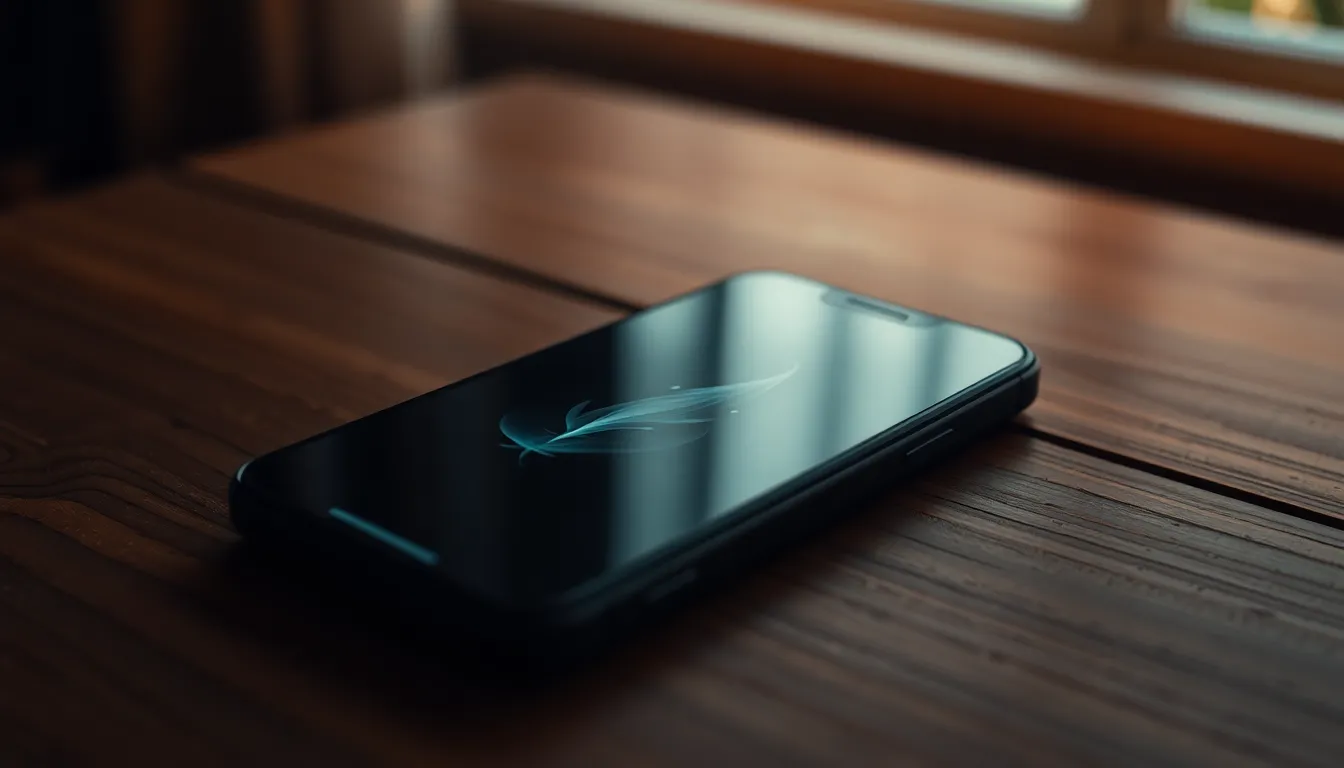
Dimming wallpaper on an iPhone contributes significantly to user experience. Users find bright backgrounds distracting, especially when engaging with apps or reading text. Dimmed wallpapers create a visually harmonious environment, enhancing overall usability.
Enhancing Battery Life
Dimmed wallpapers can lead to improved battery performance. OLED screens consume less power with darker images, therefore prolonging battery life. A notable reduction in energy usage occurs when users select darker tones for their backgrounds. Consistently adjusting wallpaper brightness minimizes unnecessary battery drain, making a significant difference throughout the day. Users should consider this aspect when customizing their device.
Reducing Eye Strain
Eye strain often stems from prolonged exposure to bright screens. Dimmed wallpapers help alleviate discomfort in low-light environments, making it easier for users to engage with their devices. Balancing brightness reduces the risk of headaches and fatigue caused by glaring visuals. A thoughtfully chosen wallpaper with soft hues provides a more comfortable viewing experience. Prioritizing this adjustment results in a healthier interaction with technology.
How to Dim Wallpaper on iPhone
Dimming wallpaper on an iPhone enhances user experience and eases eye strain. Several methods allow users to customize brightness effectively.
Using Display Settings
To begin adjusting wallpaper brightness, access the Display & Brightness settings. From the home screen, open Settings, then select Display & Brightness. Users can slide the brightness control left to reduce screen brightness. Additionally, enabling Auto-Brightness lets the iPhone adjust brightness automatically based on ambient lighting. These adjustments create a softer look, minimizing distractions from bright wallpapers.
Adjusting Night Shift
Night Shift is another useful feature to dim wallpaper. This setting reduces blue light emissions by shifting colors toward warmer tones. To enable Night Shift, head to Settings, select Display & Brightness, and tap Night Shift. Users can set a schedule or activate it manually. When activated, this feature promotes a calmer visual experience, particularly during nighttime, enhancing both aesthetics and comfort.
Tips for Effective Dimming
Dimming wallpaper enhances the visual experience on an iPhone. Selecting the right image plays a crucial role in achieving the desired calming effect.
Choosing the Right Wallpaper
Opt for wallpapers with darker tones. Images featuring navy blue, dark green, or muted shades provide a softer look. Focus on backgrounds that emphasize simplicity and minimalism, as these can reduce distractions. Patterns with less contrast also contribute to a serene interface. Stock options available through Apple or third-party sources often include a variety of dim wallpaper selections. Explore these collections to find options that align with personal preferences. Choosing the right wallpaper not only beautifies the screen but also limits eye strain during extended device use.
Customizing Brightness Levels
Utilizing the Display & Brightness settings enables tailored adjustments. Lower the brightness slider to minimize glare and enhance comfort. Enable Auto-Brightness to ensure the screen automatically adapts to surrounding light conditions. Activating the Reduce White Point feature decreases bright colors, refining the overall visual experience. Night Shift adjusts screen warmth in the evening, promoting relaxation. By strategically customizing brightness levels, users create a user-friendly environment that supports prolonged interactions. Overall, these adjustments contribute to improved focus and a pleasing balance on the iPhone’s display.
Dimming wallpaper on an iPhone offers a practical solution for creating a more enjoyable user experience. By adjusting brightness settings and choosing darker images, users can reduce distractions and enhance focus. This simple customization not only improves visual comfort but also contributes to better battery life and less eye strain.
Taking advantage of features like Auto-Brightness and Night Shift can further enhance the calming effect of a dimmed wallpaper. With these adjustments, users can transform their device into a serene and visually balanced environment, making daily interactions more pleasant and comfortable. Embracing these tips can lead to a more harmonious relationship with technology.